
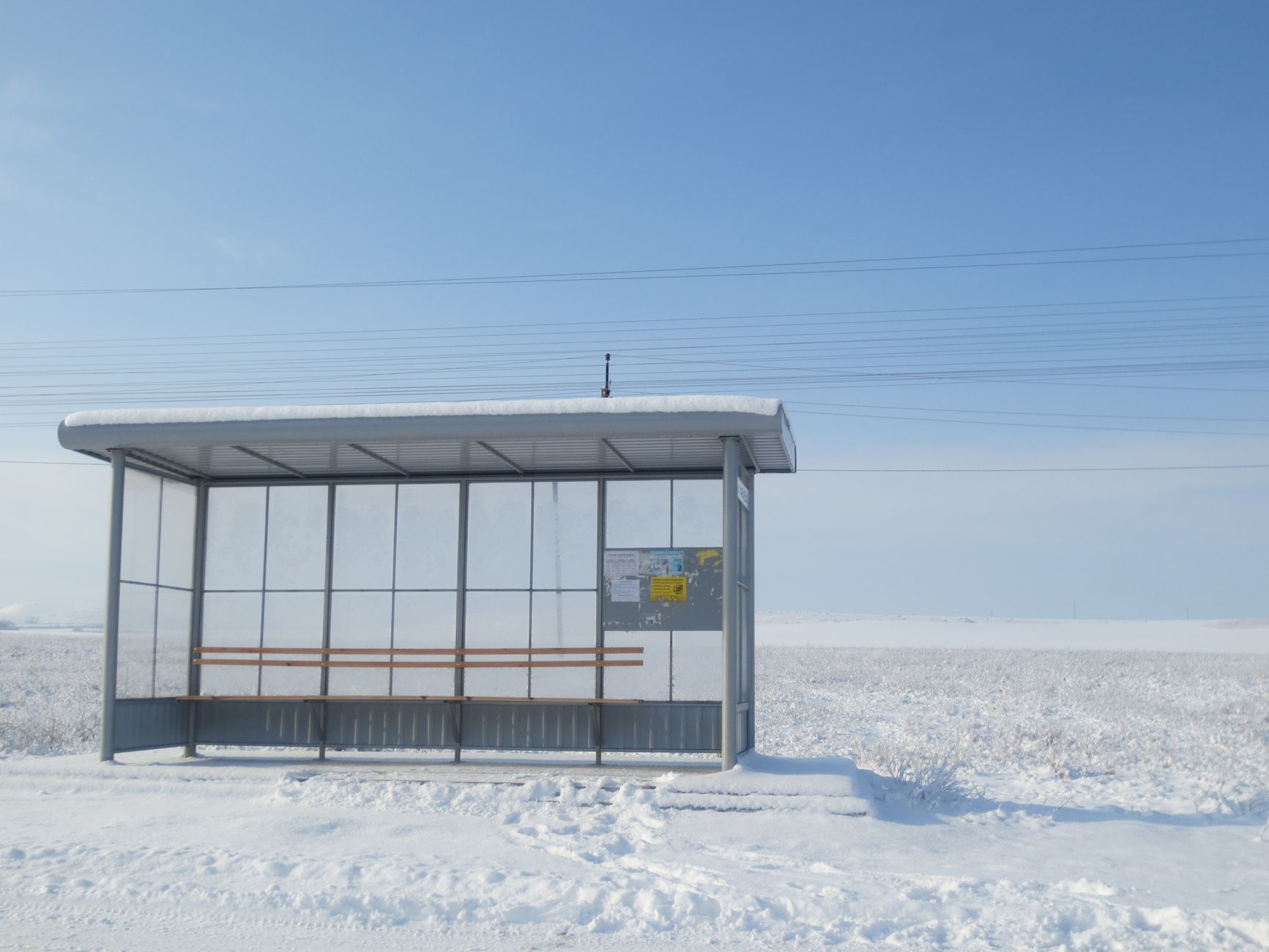
A job posting that says “Grand Rapids” can sound like a single, simple commute. In practice, the distance between a city-limit ride and an Itasca County drive can be the difference between a dependable new hire and an avoidable first-week no-show.
Two local truths shape that reality:
- Grand Rapids grew up around logging and Mississippi River log transport, with development patterns that still leave many worksites and neighborhoods spread across the area rather than clustered in one walkable core (City of Grand Rapids history).
- Arrowhead Transit treats “Grand Rapids Dial-A-Ride” (within city limits) differently from scheduled Itasca County and regional trips—meaning “there’s transit” does not automatically mean “this shift is reachable” (Arrowhead Transit Itasca County schedules).
If you hire in Grand Rapids, Cohasset, La Prairie, Coleraine, Bovey, Deer River, or farther out, here’s how to design roles and hiring steps that match how people actually get to work.
1) Start with a simple question: City ride or county trip?
Before you finalize start times or interview schedules, clarify what transportation scenario you’re really hiring into:
- Within Grand Rapids city limits: a candidate may be able to use Dial-A-Ride options (still requiring you to verify current boundaries, booking rules, and operating times).
- Outside city limits (or for regional commutes): a candidate may be relying on scheduled county/regional service (again: verify current service details and whether they align with your shift).
This is not a minor detail—it affects whether a reliable employee can accept the job at all.
2) Write job postings like transportation matters (because it does)
A “Grand Rapids area” label is convenient, but it can set up misunderstandings—especially for applicants who don’t have a vehicle or who are relocating and haven’t learned local geography yet.
In the posting, include:
- Exact worksite location (street address or at least the correct community: Grand Rapids vs. Cohasset vs. Deer River, etc.)
- Shift start/end times and days of week (don’t bury this—make it scannable)
- Any required travel during the shift (multiple sites, supply runs, on-call rotations)
If a role requires a driver’s license because driving is part of the work, say so. If it’s simply “how people get here,” keep the requirement focused on attendance and punctuality rather than assumptions about car ownership.
3) Make interviews and first-day logistics reachable
If you’ve ever had a strong applicant miss an interview, transportation may be the invisible reason.
Practical adjustments that don’t lower standards:
- Offer phone/video first interviews when possible.
- Schedule in-person interviews during time windows applicants can realistically reach—especially if they’re using Dial-A-Ride or scheduled service you’ll need to confirm (Arrowhead Transit Itasca County schedules).
- Send onboarding documents electronically so the first in-person day can focus on training.
These steps help you evaluate talent—not commuting resources.
4) Design shifts that don’t accidentally exclude good workers
Even one small change—like moving a start time from 7:00 a.m. to 8:00 a.m.—can expand the pool of applicants who can reliably show up. That’s especially true in a community whose development history created a region of connected towns rather than one centralized employment zone (City of Grand Rapids history).
Consider:
- Consistent start times (predictability helps people coordinate rides)
- Longer, fewer shifts for certain roles (when it fits your operation) rather than short split shifts
- Paid orientation blocks scheduled mid-morning or early afternoon (when scheduling is often easier)
None of this replaces the need to verify real transit availability and rules, but it helps you avoid building a schedule that only works for employees with specific transportation options.
5) Ask better questions—without turning it into a “car test”
You can protect your operation and respect candidates by keeping the conversation job-related:
- “This shift starts at 6:30 a.m. and ends at 3:00 p.m. Can you reliably be on site for those hours?”
- “The worksite is in [community]. Are you comfortable with that commute year-round?”
- “Do you have a backup plan if your ride falls through?”
Avoid assumptions about why someone uses transit, and avoid making promises you can’t control (like “the bus will get you here”). Instead, encourage applicants to confirm their options directly with Arrowhead Transit based on their address and schedule.
A modest next step
If you want help tightening a posting, clarifying the worksite/community label, or pressure-testing shift times against real-life transportation constraints, Express can help you structure the role and the hiring process.
Contact Express Employment Professionals of Brainerd/Grand Rapids MN at call 218-WorkNow or email grandrapidsmn@expresspros.com.