
A paycheck is only one piece of a Grand Rapids decision. The city’s latest QuickFacts estimate is 11,181 residents, Itasca County is 45,404, and the city’s mean travel time to work is 15.0 minutes. Those numbers suggest a small place, but they do not tell the whole story: the job market sits inside a county network, not a single neighborhood loop.
That difference matters because Grand Rapids is linked to Cohasset, La Prairie, Coleraine, Bovey, Deer River, and other Itasca County communities by roads and transit, but not every address behaves the same way at 6 a.m., 2 p.m., or 10 p.m. Arrowhead Transit’s Itasca County schedule shows Grand Rapids Dial-A-Ride within city limits, posted weekday, Saturday, and Sunday hours, and county routes that connect the city with surrounding towns. For workers, that means a commute is not just a distance question; it is a shift question.
The local job picture is built around a few anchors
Grand Itasca is a major one. Its clinic and hospital page describes a 45-bed hospital, a multi-specialty clinic, a pharmacy, a 24/7 emergency department, and a Rapid Clinic for minor illnesses and injuries. The service mix reaches family medicine, imaging, mental health, home care, surgery, and more. That breadth matters for applicants because it means local health care is not just one type of role; it is a whole ecosystem of clinical, office, support, and maintenance work.
Education is another anchor. Grand Rapids Area Schools says it serves about 4,000 students and offers programs from birth to adults. Minnesota North College’s Itasca campus adds housing, dining, clubs, adult basic education, career exploration, and other support. For a newcomer, that combination can make a move easier only if school assignments, training schedules, and daily routines line up with the address you choose.
Public-sector and utility jobs round out the picture. The county transportation department lists roles from engineers and surveyors to highway maintenance workers, mechanics, public safety dispatch-style posts, and clerical support. Grand Rapids Public Utilities manages electric, water, and wastewater service, and its strategic plan links reliability, affordability, sustainability, and customer focus to a system that serves the city and surrounding areas, including La Prairie and the Itasca campus.
What relocation really changes
Housing is where the local numbers stop being abstract. Grand Rapids’ median gross rent is $1,090, median owner value is $213,800, and median monthly owner cost with a mortgage is $1,431. The city also reports that 87.9 percent of residents lived in the same house a year earlier. That points to a relatively stable housing base, but it does not predict an individual household’s price, commute, or fit. A citywide average cannot tell you whether a particular address works for your shift, your school stop, or your winter driving comfort.
The city’s age and access profile adds another layer. Grand Rapids has 24.4 percent of residents age 65 and older, a median household income of $61,029, 88.4 percent broadband access, 95.6 percent computer access, and 15.5 percent poverty. That mix suggests a community where online job applications are usually possible, but household budgets, transportation habits, and digital comfort levels are not identical from one family to the next.
The broader county picture helps explain why. Itasca County has 27.7 percent of residents age 65 or older and 1,175 employer establishments. That mix suggests a labor market shaped by institutions, public services, health care, and a substantial older population. It also suggests that transportation and scheduling are not side issues here. They are part of whether a job is practical.
For families, the school and support network matters as much as the rent line. ISD 318’s published enrollment flow includes transportation, early childhood screening, early childhood special education, and school assignment based on home area and space availability. If your household includes children, the move is not just about finding an opening. It is about matching the right neighborhood to the right school path and service geography.
Why employers and applicants should think in routes, not just roles
In Grand Rapids, the strongest hiring decisions usually start with the practical question of whether someone can reliably reach the job. That is true for a clinic scheduler, a highway maintenance worker, a student worker on the Itasca campus, and a night-shift employee in a service role. The county road system, transit options, winter conditions, and community spread all affect attendance, turnover risk, and training time. The fact that the county highway department is responsible for roughly 1,350 miles of roadway and 140 bridges is a reminder that this region lives with a real maintenance geography, not just a map line.
That is also why the best local recruiting conversation often includes more than a resume. It should include where the person lives now, whether they will drive, ride, or use a shared system, and whether their household needs make a particular neighborhood or town more realistic than another. A worker in Grand Rapids proper may have a very different day from someone in Cohasset, La Prairie, Deer River, or Bovey, even if the job title looks the same on paper.
A simple way to judge fit
Before saying yes to a job here, ask three local questions:
- Can the commute still work if the weather slows the road network?
- Does the address you want fit school, transit, and utility needs at the same time?
- Does the job line up with the actual local work cluster, whether that is health care, education, public works, or public service?
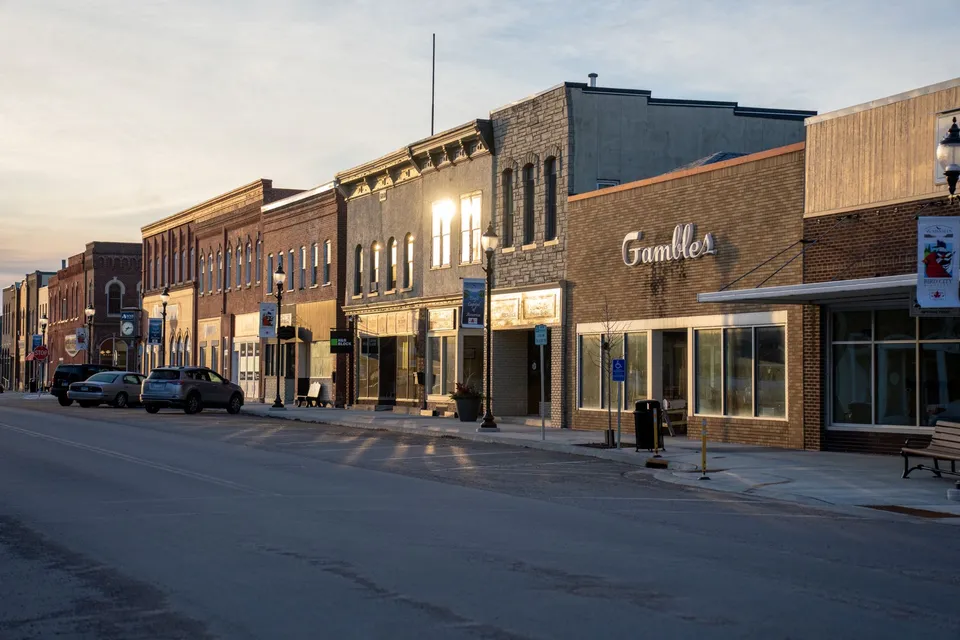
Grand Rapids is appealing because it is compact, but compact is not the same as simple. The city has a downtown core, a hospital and campus corridor, utility infrastructure, and county links that make the right fit very different from one household to the next. If you are comparing a move, start with the local resources page at grandrapidsmnjobs.com/resources.html and work outward from there.