
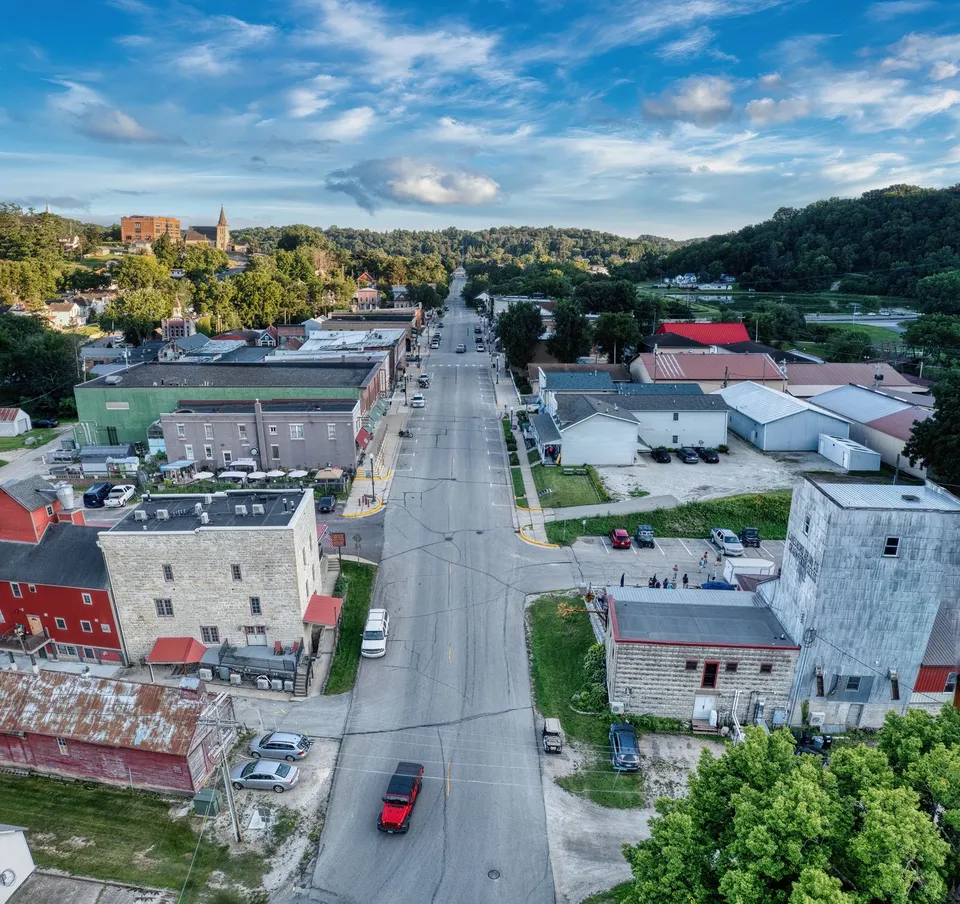
Grand Rapids, Minnesota, is easy to misread if you only see the town name. The city had 11,126 residents in the 2020 Census, while Itasca County had 45,014, and the surrounding places that matter for work and daily life include Cohasset, La Prairie, Coleraine, Bovey, and Deer River. In other words, a job here is rarely just an offer letter; it is a fit test for commute, housing, school needs, and the way a household moves through the week.
Start with the map, not the title
The local geography pushes people to think beyond a single workplace address. Grand Rapids sits in the U.S. Highway 2 and U.S. Highway 169 corridor, and the report shows that the city’s daily life is split between downtown civic and service uses, a highway-commercial edge, and nearby communities with different access patterns. That matters because a first-shift job, a weekend schedule, and a worksite in Deer River or Cohasset are not interchangeable commute decisions.
Transit is real here, but it is not magic. Arrowhead Transit’s Itasca County service includes Grand Rapids Dial-A-Ride within city limits, with ADA-compliant wheelchair lifts and posted hours of Monday through Friday 7 a.m. to 8 p.m., Saturday 9 a.m. to 5 p.m., and Sunday 8 a.m. to 2 p.m. The posted fare is $3 one way, with a $30 book of 10 tickets and a $54 unlimited monthly pass. The county route map also links Grand Rapids with Cohasset, Deer River, Warba, Hill City, Bovey, Calumet, Marble, Nashwauk, Chisholm, and Hibbing. For newcomers, that means one bus network can help, but it does not erase the need to check whether a shift, a transfer, or an after-hours ride actually fits your day.
The employers that shape a move
Grand Rapids is not a one-industry town. The local job mix includes health care, public works, education, county government, and utility work, and each of those sectors creates a different kind of hiring decision. That is good news for applicants with transferable skills, but it also means a move here can succeed or fail based on whether the role matches your schedule, your transportation, and your training path.
-
Grand Itasca is the clearest example of how one employer can anchor a whole region. The report describes a 45-bed hospital, a 24/7 emergency department, a Rapid Clinic, a multi-specialty clinic, pharmacy services, and home care. That is why the facility needs more than clinical staff; it also needs people in scheduling, records, maintenance, transport, food service, and other support roles.
-
Itasca County’s transportation department shows another side of the labor market. The report says maintenance is split among about 76 employees in five districts and a central garage, with about 10 more in construction. Those jobs support snow removal, ice control, drainage, signing, road preservation, and bridge work across roughly 1,350 miles of roadway and 140 bridges. If you are evaluating a trades or equipment career, that infrastructure matters because it points to steady, practical work rather than a single seasonal surge.
-
ISD 318 matters for families and for workers who want a more stable schooling base before or after a move. The district serves about 4,000 students, offers programs from birth to adults, and runs a school system that includes transportation, enrollment, early childhood services, and specialized education. That means a family move is not just about finding a house; it is also about how home area, school assignment, and transportation line up.
-
Minnesota North College’s Itasca campus is more than a classroom stop. The report says the campus includes housing, dining, clubs, basic needs support, tutoring and writing help, fitness access, career exploration, and adult basic education. For a newcomer, that makes the campus a genuine part of daily living infrastructure, especially if you are mixing work, training, and a move into the area.
Housing and utilities are part of the job decision
Grand Rapids looks compact on paper, but the housing picture is not one-size-fits-all. The report cites a median gross rent of $1,090, a median owner value of $213,800, a median monthly owner cost with a mortgage of $1,431, and a median monthly owner cost without a mortgage of $550. It also cites a 62.4 percent owner-occupied rate. Those are estimates, not live listings, but they do tell a newcomer that the city has a real ownership base and a meaningful rental market.
If you are comparing a city address with something outside the core, remember that the utility story changes too. Grand Rapids Public Utilities serves electric, water, and wastewater customers and handles start, stop, and transfer service functions. The report also notes that utility planning references La Prairie, industrial customers, and Minnesota North College - Itasca Campus, which is a reminder that housing choice, institutional demand, and local infrastructure are linked. A move that looks affordable on rent alone may still feel different once utility service, travel time, and access are part of the math.
Why the region feels bigger than one town
Grand Rapids is not only a workplace hub; it is also a place where identity comes from river, forest, and work history. The Forest History Center is described in the report as a 170-acre site just minutes from downtown, with trails, a recreated logging camp, a fire tower, and connections to the city trail system and a national scenic trail. That matters for newcomers because it shows the area is not built around one downtown experience. It has civic life, outdoor life, and a long industrial memory that still shapes how the community feels.
The report also ties the city’s identity to a wider county network rather than a single core. Nearby places like Cohasset, La Prairie, Coleraine, Bovey, and Deer River are not just names on a map; they are part of the actual housing and commuting landscape. If you are relocating for work, that means your best choice may depend on whether you need city utilities, a shorter school run, a route that fits your shift, or a quieter setting with a longer drive.
The practical takeaway is simple: in Grand Rapids, the right job is the one that fits the rest of your week. Compare the worksite, the commute, the housing address, and the family logistics before you make the move. If you are still narrowing your options, start with the local resources page and build the rest of the decision from there.