
Why the job offer is only the start in Grand Rapids, Minnesota
Grand Rapids in Itasca County, Minnesota—not Grand Rapids, Michigan—works like a compact county hub, not a single-street town. The city’s estimated population is 11,181, Itasca County’s is 45,404, and nearby places such as Cohasset, La Prairie, Deer River, Bovey, and Coleraine are part of the daily working landscape rather than interchangeable extensions of downtown. That matters because the right job can still be a poor fit if the commute, school timing, or transit schedule breaks the rest of the day.
The route matters because the local network is real
A Grand Rapids move is not just about whether the job is in town. It is about which part of town, which highway you use, and whether your schedule lines up with the systems that keep the area moving. MnDOT’s corridor study for Grand Rapids and La Prairie focuses on the Highway 2/Highway 169 corridor from NW 19th Avenue to NE 7th Street and from Highway 2 to the Mississippi River, which is a strong clue that this stretch is more than a through-road; it is a growth and access corridor.
Transit is also more practical here than outsiders sometimes expect. Arrowhead Transit’s Itasca County schedule says Grand Rapids Dial-A-Ride is ADA-compliant, runs Monday through Friday from 7 a.m. to 8 p.m., Saturday from 9 a.m. to 5 p.m., and Sunday from 8 a.m. to 2 p.m., with a $3 one-way fare, a $30 book of 10 tickets, and a $54 unlimited monthly pass. The county route network also links Grand Rapids with Cohasset, Deer River, Warba, Bovey, Calumet, Marble, Nashwauk, Chisholm, and Hibbing. In other words, a second-shift job or a weekend schedule is not a side detail here; it is part of the decision.
That route reality is why the city bus stop list matters too. The Grand Rapids city route serves places like Central Square Mall, Brookstone Manor, 411 Apartments, the YMCA, and River Grand in its morning cycle. For a newcomer, that tells you which addresses are closest to errands, housing, and work access—not just which ones look close on a map.
The biggest employers are service systems, not just storefronts
Grand Rapids has a local economy that leans on institutions. Grand Itasca Clinic and Hospital operates a 45-bed hospital, a 24/7 emergency department, a Rapid Clinic for minor illnesses and injuries, and a multi-specialty clinic with services that include family medicine, imaging, surgery, mental health, home care, and more. Grand Itasca’s location page is useful because it shows that the health-care system here is broad enough to create many kinds of jobs, not just clinical ones.
The same is true in transportation and public works. Itasca County’s transportation department says its maintenance division has about 76 employees spread across five maintenance districts and a central garage, while the construction division has about 10 employees. Its job descriptions include highway maintenance worker, mechanic/welder, materials technician, engineer roles, survey and GIS positions, and public-safety and records work elsewhere in county government. That mix matters for applicants because it shows a local labor market that values equipment, office, field, and technical skills at the same time.
Education adds another stable layer. Grand Rapids Area Schools says it serves about 4,000 students and operates multiple schools plus districtwide enrollment, transportation, and early childhood services. The district’s early childhood special education office offers free and confidential help for ages 0 to preschool, including screening, evaluation, home visits, speech and language therapy, occupational therapy, physical therapy, and psychological services. For families relocating for work, those are not abstract benefits; they are practical reasons to look carefully at where you live within the district’s service area.
The Minnesota North College Itasca campus adds a different kind of local advantage. The campus page says it offers housing, dining, tutoring, a writing center, basic-needs support, career exploration, and fitness access alongside academic programs. That means Grand Rapids is not only a place to work; it is also a place where adults can retrain, finish credentials, or take the next step without leaving the area.
What the housing numbers can tell you—and what they cannot
If you are moving for work, the housing question is usually the one that turns a promising offer into a real decision. Census estimates put Grand Rapids’ median gross rent at $1,090, the median owner value at $213,800, the median monthly owner cost with a mortgage at $1,431, and the median monthly owner cost without a mortgage at $550. The city’s owner-occupied rate is 62.4 percent. Those are useful planning numbers, but they are not live listings, and they should not be read as a guarantee of what your household will actually pay.
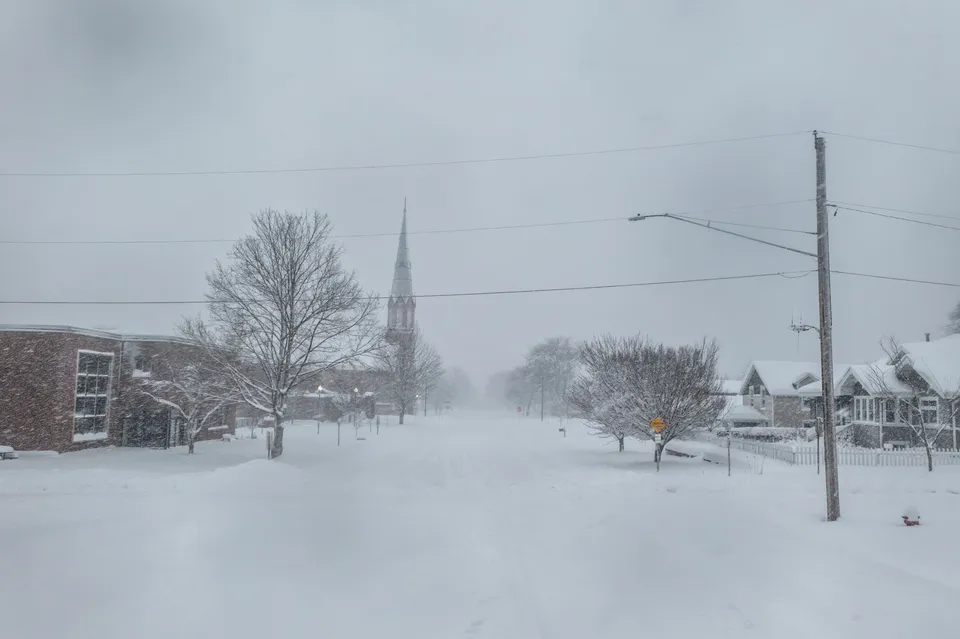
The same caution applies to commuting. The city’s mean travel time to work is 15.0 minutes in the available estimate, but that average does not predict a specific household’s reality. A route can be easy in July and much less forgiving in January, and a short drive does not help much if your shift starts before transit does or ends after it. That is why Grand Rapids rewards people who check the full day, not just the employment contract.
A practical way to read Grand Rapids before you move
A good Grand Rapids decision is usually a three-part match:
- the worksite fits your skills and schedule;
- the route between home and work is realistic in the season you will actually live here;
- the household services you need—schools, health care, training, transit, utilities—sit close enough to make daily life stable.
That framework matters because Grand Rapids is a small city with county-level responsibilities. Itasca County maintains roughly 1,350 miles of roadway and about 140 bridges, which tells you how much of local life depends on road upkeep, snow removal, and access management. Grand Rapids Public Utilities also serves the city and surrounding areas with electric, water, and wastewater services, so utility decisions are part of the relocation picture too.
If your next step is a job move, use the local map before you use the headline. Grand Rapids can be a strong fit for people who want a compact regional hub, a mix of public- and private-sector work, and enough institutions to build a full routine around. It is less forgiving for anyone who assumes that all nearby addresses function the same way.
If you are ready to look, start with current jobs or call 218-WorkNow.